
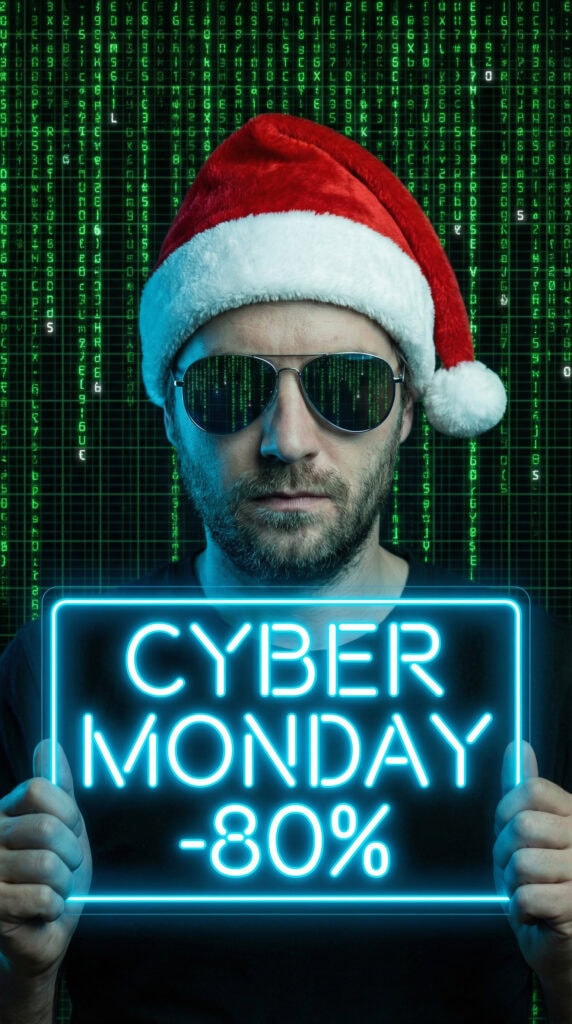
The Holiday Season: A Hacker’s Favorite Time of Year
The holidays bring joy, shopping sprees, and… an uptick in cybercrime. While businesses and consumers are busy celebrating, hackers see opportunity. But why do cyberattacks spike during this festive season? Let’s break down the reasons, and what you can do to stay safe.
1) Distraction Creates Vulnerability
During the holidays, IT teams often operate with reduced staff. Employees are on vacation, and attention shifts to year-end tasks. Hackers exploit this distraction:
- Delayed response times: Fewer eyes on alerts means slower detection.
- Weakened monitoring: Security teams may scale back proactive checks.
- Increased human error: Employees juggling holiday stress are more likely to click suspicious links.
2) Surge in Online Shopping and Transactions
E-commerce booms during the holidays, creating a perfect storm for cybercriminals:
- Phishing scams: Fake shipping notifications and holiday deals lure victims.
- Payment fraud: Hackers intercept transactions or plant malware on checkout pages.
- Credential theft: Increased logins mean more chances for compromised accounts.
3) Seasonal Social Engineering
Hackers know how to play on emotions. Holiday-themed scams often include:
- Charity fraud: Fake donation sites targeting goodwill.
- Gift card scams: Emails urging urgent purchases for “company gifts.”
- Urgent delivery notices: Trick users into clicking malicious links.
4) Ransomware Targets Year-End Pressure
Businesses face tight deadlines during the holidays. Hackers exploit this urgency:
- Ransomware attacks: Threat actors lock critical systems, betting companies will pay quickly to restore operations.
- Data exfiltration: Sensitive year-end reports become prime targets.
How to Protect Your Business This Holiday Season
- Increase monitoring: Use AI-driven tools for real-time threat detection.
- Educate employees: Share phishing examples and security best practices.
- Enable MFA: Multi-factor authentication reduces credential theft risk.
- Patch systems: Ensure all software is updated before holiday downtime.
- Have an incident response plan: Prepare for worst-case scenarios before they happen.
Key Takeaways
- Hackers love the holidays because businesses are distracted and transaction volumes soar.
- Social engineering and ransomware attacks spike during this season.
- Proactive security measures and employee awareness are your best defense.
FAQs
Q1: Why do cyberattacks increase during holidays?
Because businesses are distracted, IT teams are understaffed, and online transactions surge.
Q2: What’s the most common holiday cyber threat?
Phishing scams disguised as shipping notifications, gift cards, or charity appeals.
Q3: How can companies prepare?
Implement AI-driven monitoring, train employees, enable MFA, and patch systems before holiday downtime.
Don’t let hackers ruin your holidays.
Schedule a cybersecurity assessment today and ensure your business stays safe during the busiest, and riskiest, time of the year.

