
Building a Human Firewall: Empowering Employees to Stop Cyber Attacks
Learn how to turn your employees into a human firewall with Security Awareness Training. Discover tips, common threats, and MSSP solutions to protect your business.
Introduction
Cybersecurity isn’t just about firewalls and antivirus software anymore. Today, the biggest vulnerability in most organizations isn’t a technical flaw, it’s human error. In fact, over 90% of data breaches start with a phishing email or social engineering attack.
Cybercriminals know that tricking an employee is often easier than hacking a system. That’s why creating a human firewall, a workforce trained to recognize and stop threats, is one of the most effective strategies for reducing risk.
What Is a Human Firewall?
A human firewall is the concept of turning your employees into active defenders against cyber threats. Instead of being the weakest link, your team becomes a critical layer of protection by recognizing and stopping attacks before they succeed.
Think of it this way:
- Your technical firewall blocks malicious traffic.
- Your human firewall blocks malicious intent.
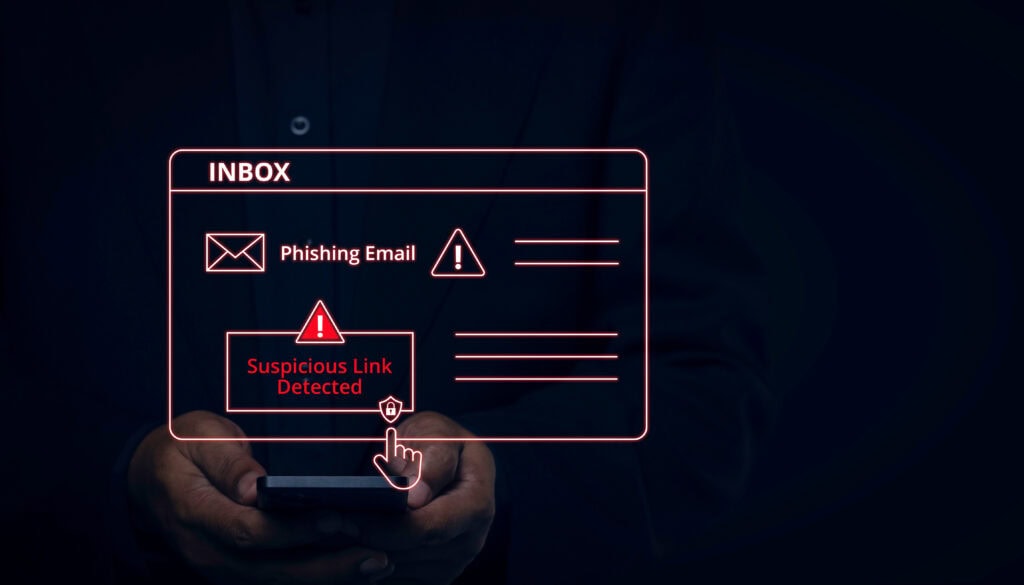
When employees are trained to spot phishing emails, avoid suspicious links, and report anomalies, they become a powerful security asset.
Why Humans Are Targeted
Attackers rely on human behavior to bypass technical defenses. They exploit trust, urgency, and curiosity. Common tactics include:
- Phishing Emails: Fake messages designed to steal credentials or install malware.
- Social Engineering: Manipulating employees into revealing sensitive information.
- Business Email Compromise (BEC): Impersonating executives to request wire transfers.
- Credential Theft: Using stolen passwords to access systems.
According to Verizon’s 2025 Data Breach Investigations Report, 74% of breaches involve the human element whether through error, misuse, or social engineering.
Why Security Awareness Training Matters
Technology alone can’t stop these threats. Security Awareness Training:
- Reduces Risk: Employees learn to identify and avoid common attack vectors.
- Improves Compliance: Meets regulatory requirements like HIPAA, PCI-DSS, and GDPR.
- Protects Reputation: Prevents costly breaches that damage trust.
Companies that implement regular training see up to 70% fewer successful phishing attacks compared to those that don’t.
5 Practical Tips for Employees
- Verify Email Senders: If something feels off, confirm before clicking.
- Avoid Unknown Links: Hover over links to check their destination.
- Report Suspicious Activity: Speak up. Early reporting can prevent breaches.
- Use Strong Passwords: Combine letters, numbers, and symbols.
- Enable Multi-Factor Authentication (MFA): Adds an extra layer of security.
Real-World Example
In 2024, a mid-sized financial firm fell victim to a phishing attack that started with a single employee clicking a malicious link. The breach exposed thousands of customer records and cost the company over $2 million in fines and recovery expenses.
The lesson? One click can compromise an entire organization.
How MSSPs Can Help
Managed Security Service Providers (MSSPs) offer:
- Customized Training Programs: Tailored to your industry and risk profile.
- Simulated Phishing Campaigns: Test and reinforce employee awareness.
- Continuous Monitoring: Detect and respond to threats in real time.
Partnering with an MSSP ensures your human firewall stays strong and up-to-date.
Ready to strengthen your human firewall?
Contact us today to schedule a Security Awareness Training session.

